QAI
AI
A & I
Two kinds of intelligence,
human and computational.
We are architects, and at the same time research scientists who carry out spatial analysis and build our own tools with computation and AI. We put human observation and judgement together with what computation can tell us, and look for what architecture can be.

Moves back and forth between designing buildings and researching them, working on spatial design and spatial analysis with computation and AI. Reads the relations between architecture, city and environment across disciplines, to widen what design can do.
Arai Takatoshi
PhD in Engineering. First-class Registered Architect (Japan)

Develops his own design and support tools — simulation, data analysis, AI — and has used them in actual building design. From houses to exhibition spaces, built work such as House in Nagohara is where they are applied.
Ichikawa Sota
MA in Aesthetics. First-class Registered Architect (Japan)
Human × Artificial Intelligence
Experience and judgement,
laid over computation and data.
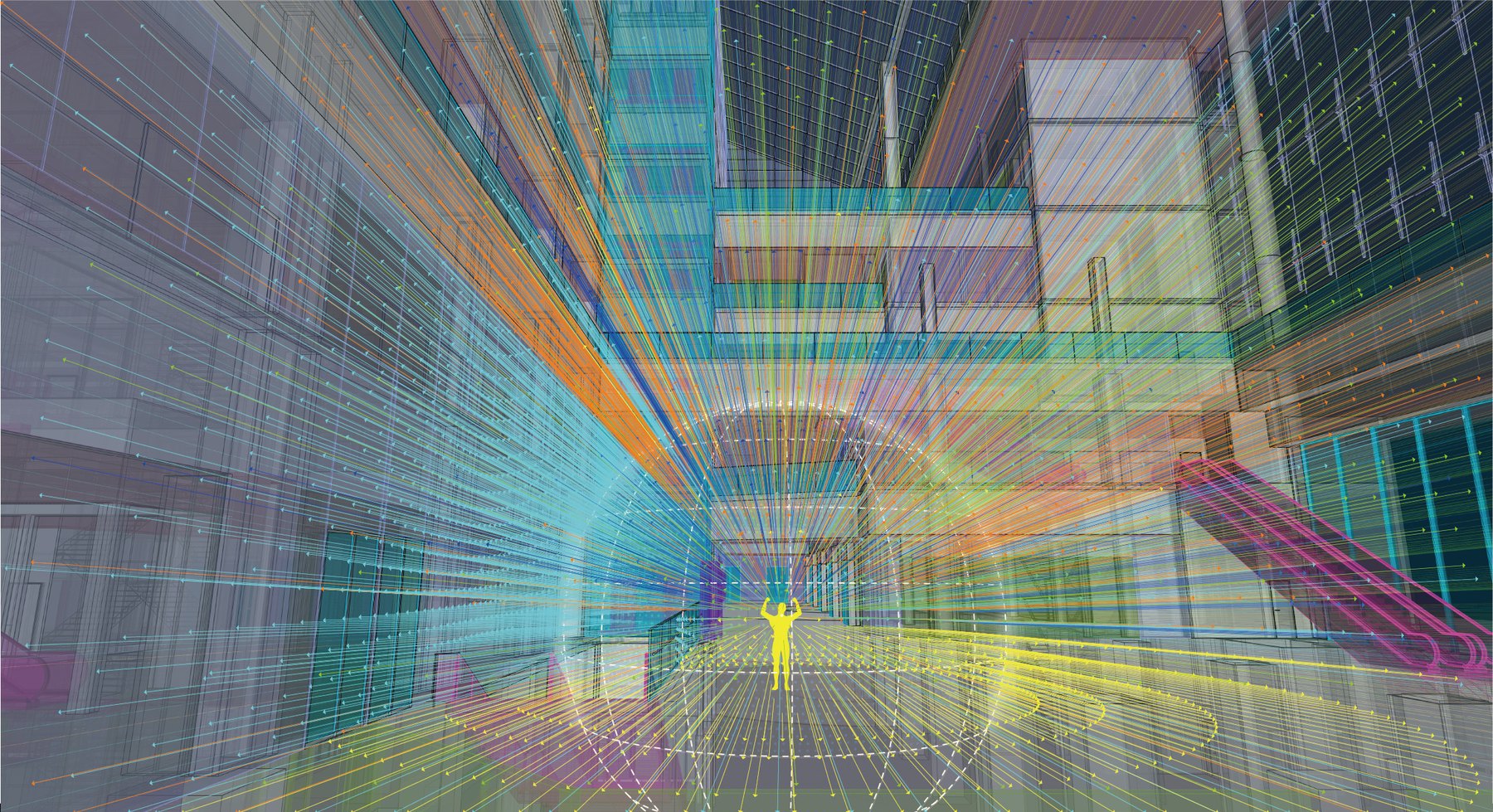
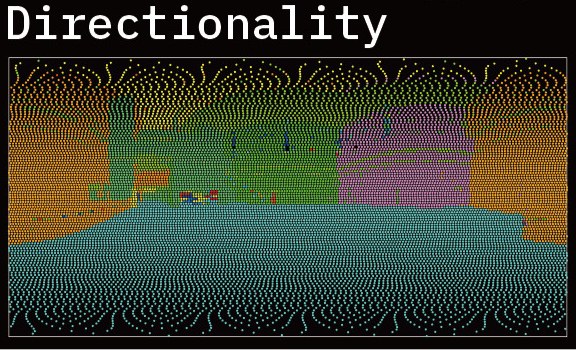
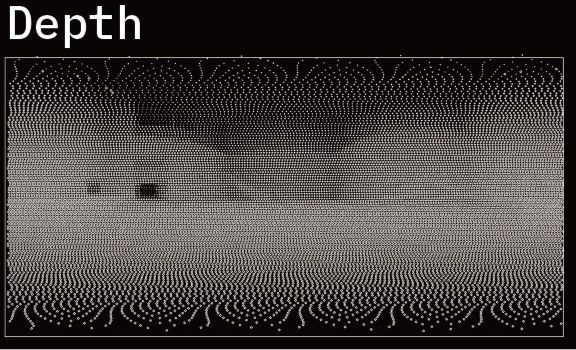
We hold on to the experience and the judgement of the architect, and we use computation, AI and simulation to look for what is possible inside a complicated set of conditions. Putting the two kinds of intelligence together, we notice options our own assumptions would have passed over, and find richer ways for a building to be.
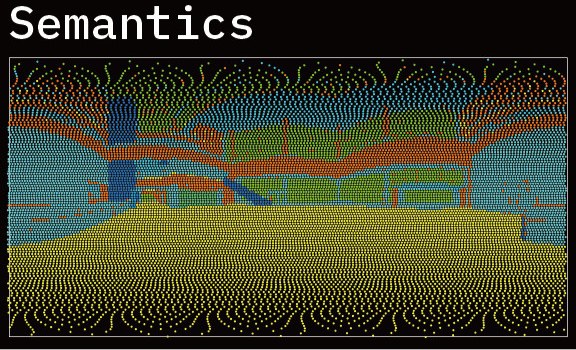
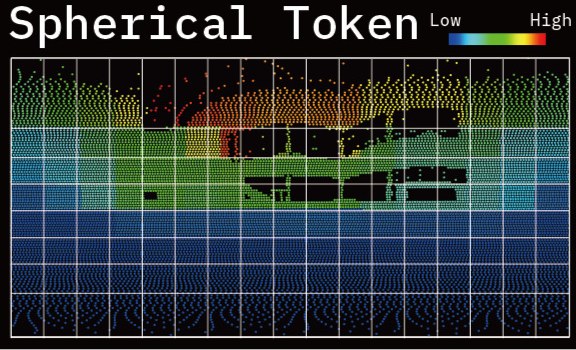
© RAYDIOGRAPHY
What we are interested in
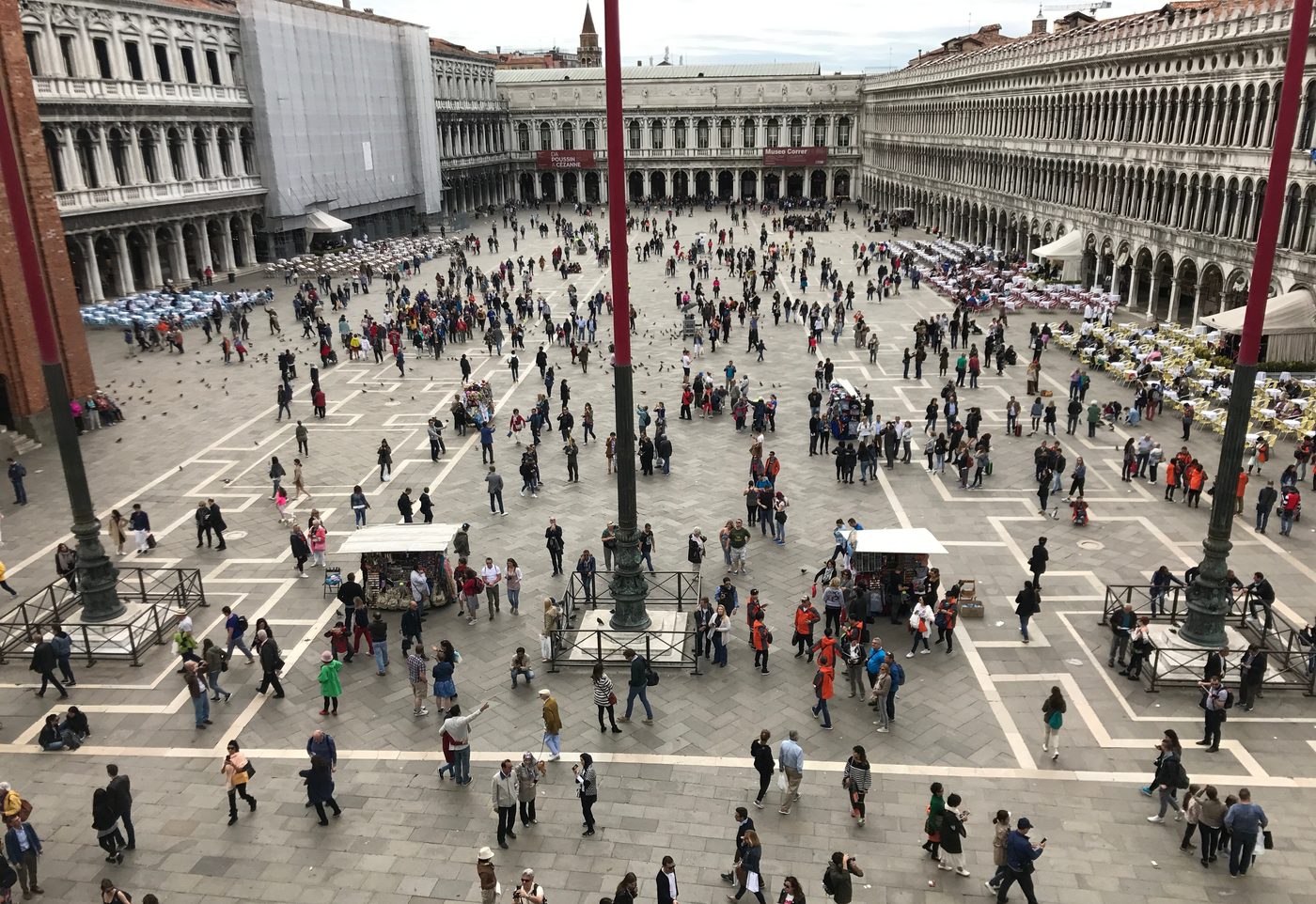
Space and people
How people act, move and stay — how a space is actually used.
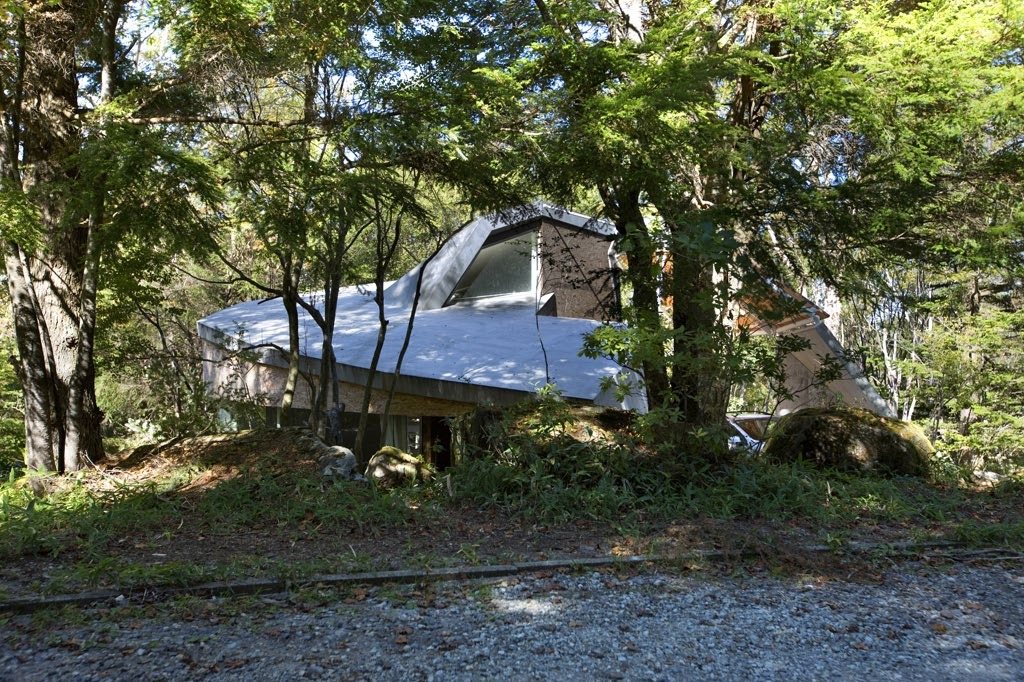
Environment and architecture
Light, wind, and the surroundings — what they ask a building to be.
Data and simulation
Making hard-to-see phenomena visible, to widen the decisions design can make.
A:Architecture / Algorithm / Aperture / Adaptive / Analytic
- How space is composed
- Architecture that can be computed
- Analytical approaches to design
- Openings and the visual environment
- Adapting to the people who use it
&
I:Infrastructure / Intelligence / Interface / Iteration / Insight
- The ground city and building stand on
- Intelligence and judgement
- Where people and space meet
- Trying, and improving
- Design as insight
A and I are two axes that hold architecture up — one structural, one intelligent.
QAI stands where they cross, and draws what architecture might become.